Building on its predecessor, LURA’s Gryphon I rocket: design, build and fly a high-power rocket that is capable of breaking the UKRA Amateur Rocketry Altitude Record from British soil.

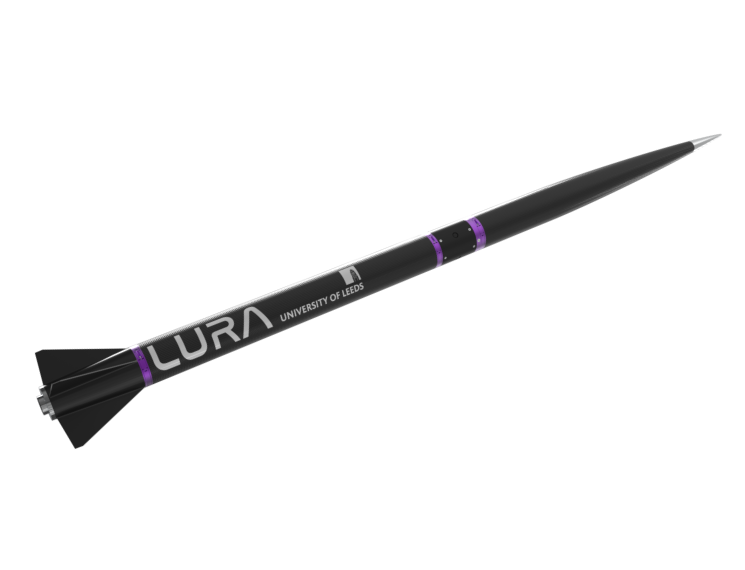
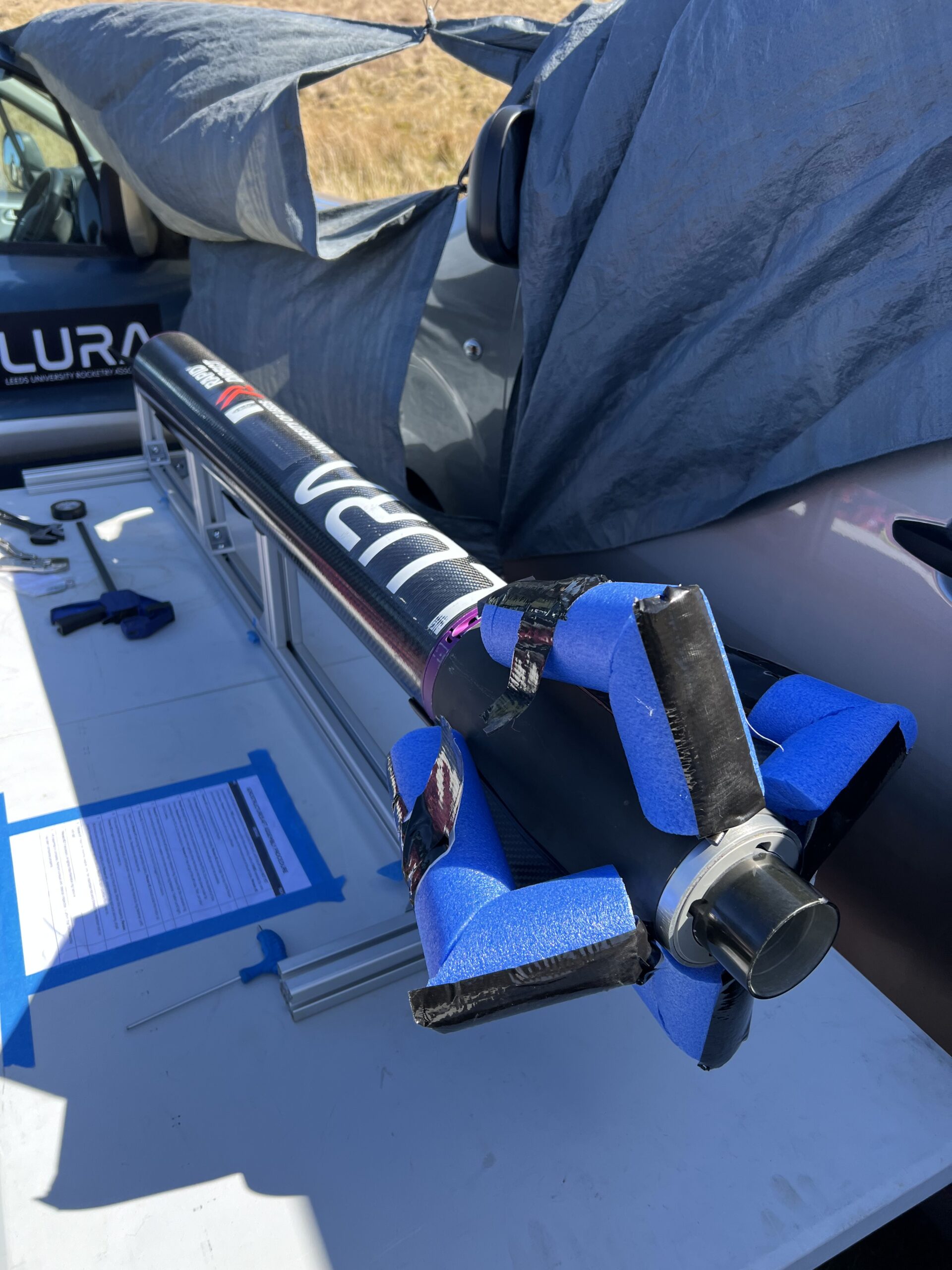
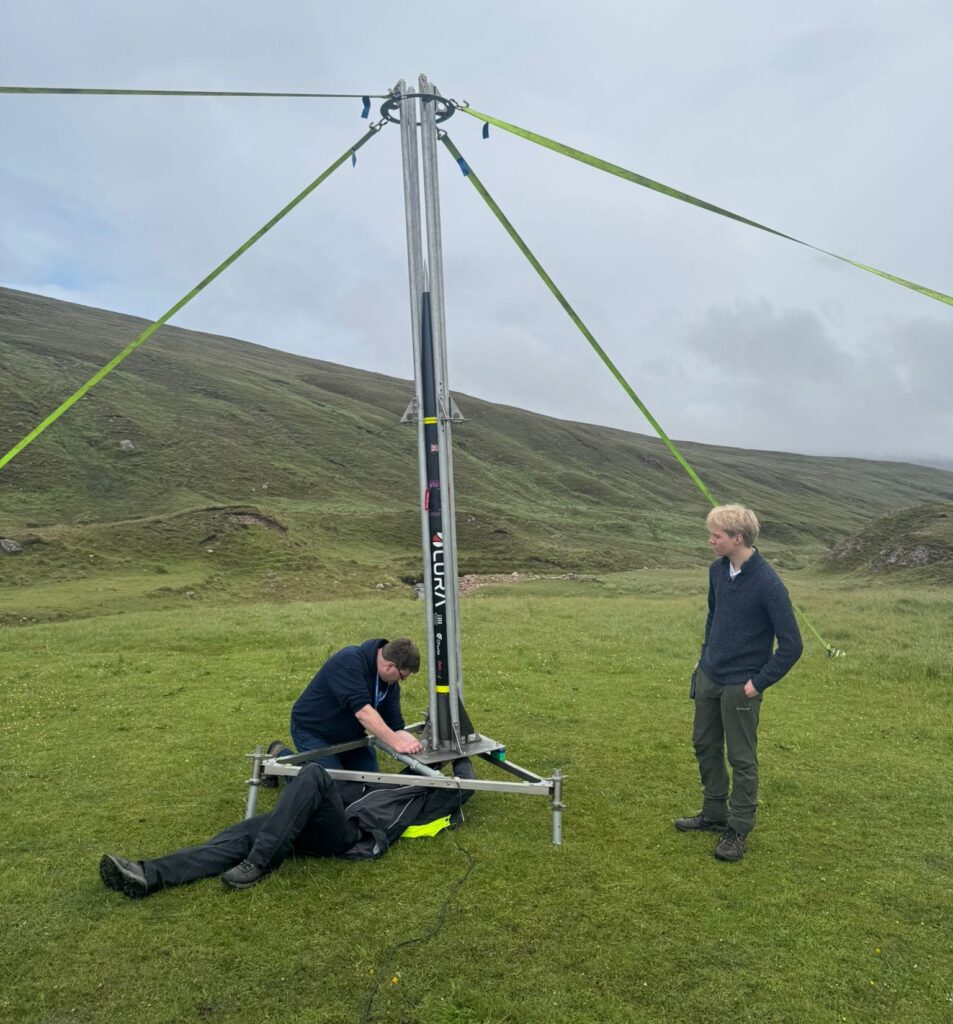
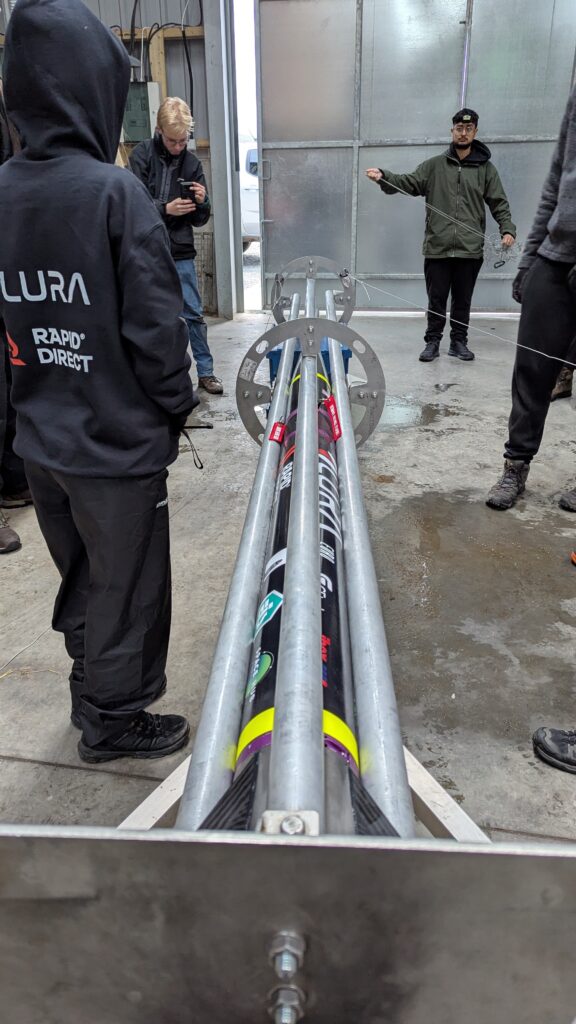
The Gryphon II (G2) is LURA’s most advanced rocket yet. It is a 2.8 metre carbon fibre rocket with a 3D-printed fincan, fully modular manacle ring design, dual-stage recovery, and our own custom avionics system which integrates with the COTS flight computers.

This is LURA’s flagship rocket designed to break the UKRA Amateur Rocketry Altitude Record from British soil.

Project Timeline

September 2022
September 2022

Started Project

July 2023
July 2023

Preliminary Design Review

September 2023
September 2023

Critical Design Review

April 2024
April 2024

Gryphon II Test Flight

April 2025
April 2025

Gryphon II Supersonic Flight

Upcoming
Upcoming

Gryphon II Record-Breaking Flight

The Gryphon II project has been long underway with significant progress made, but our journey still continues.

It has been extremely challenging to find a UK-based launch site that allows us to fly at high altitudes. Our Launch Operations team have worked hard with our launch partners across the country to do this.

So far, G2 has flown successfully twice. Learn more about the Gryphon II’s flight history.

Gryphon II
GRYPHON II

The Gryphon II rocket consists of two main assemblies: (i) the fore assembly, which includes the recovery bay, avionics bay, nose cone, and tip, and (ii) the aft assembly, which houses the aft tube, fin can, and motor. These sections are connected using "manacle rings." The design introduces innovations in aerostructure, telemetry, and supersonic flight, providing valuable experience in composite manufacturing and long-distance communication systems.

Height:

2.86 m

Diameter:

130 mm

Total mass:

27 kg

Target apogee:

6,096 m (20,000 ft)

flight history

GRYPHON II Test Flight

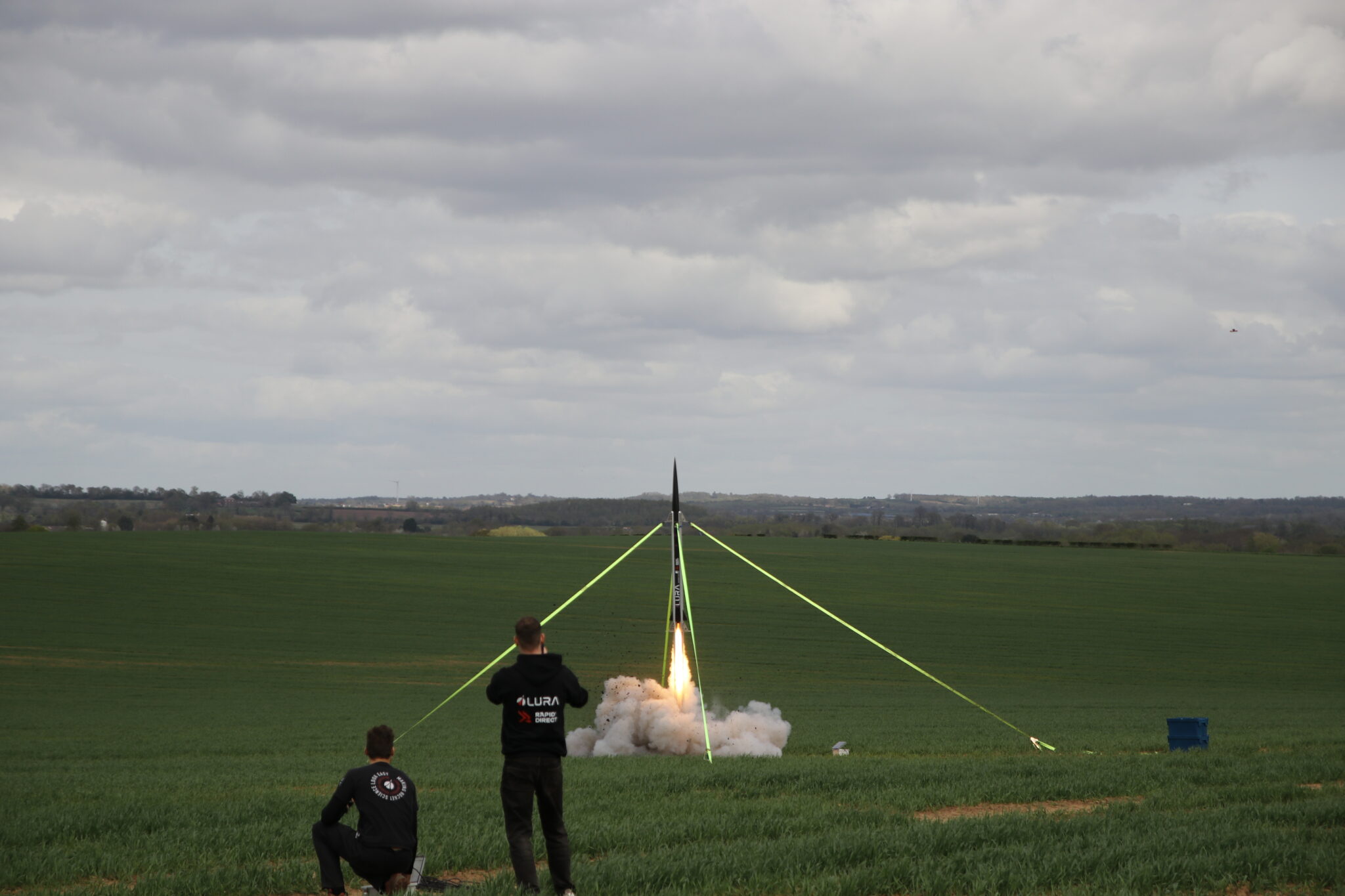
In April 2024, Gryphon II flew at Midlands Rocketry Club (MRC) on an Aerotech K700 motor, reaching an apogee of 3,160 feet despite slight weather cocking. Both the drogue and main chutes were deployed successfully, and no damage was incurred upon landing.

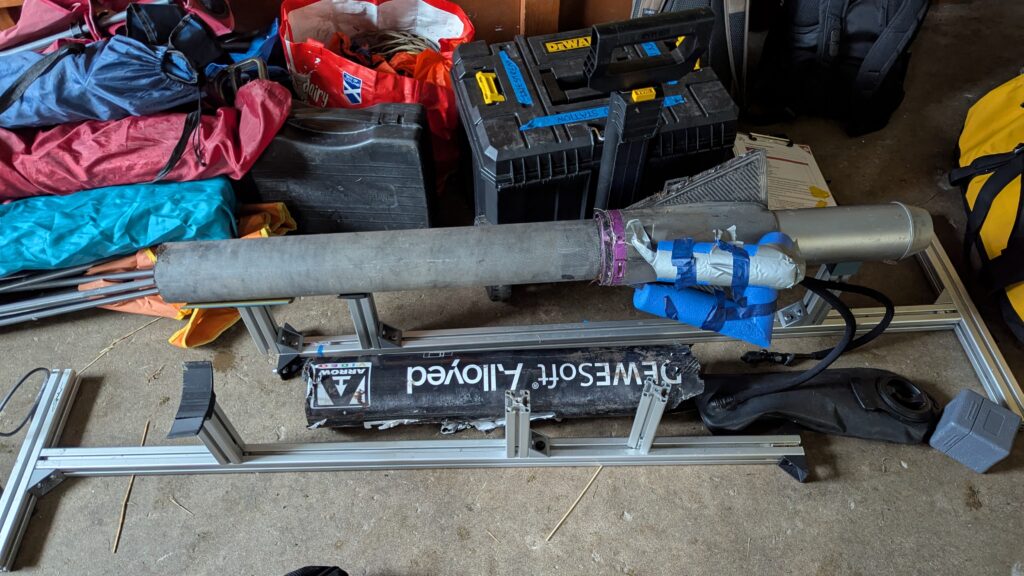
This test flight was essential to verify the performance of G2’s avionics, recovery systems, flight simulation models, and our custom-built launch silo ‘Sentinel’. It served as a pivotal milestone in our pursuit to break the altitude record. 

GRYPHON II Supersonic Flight

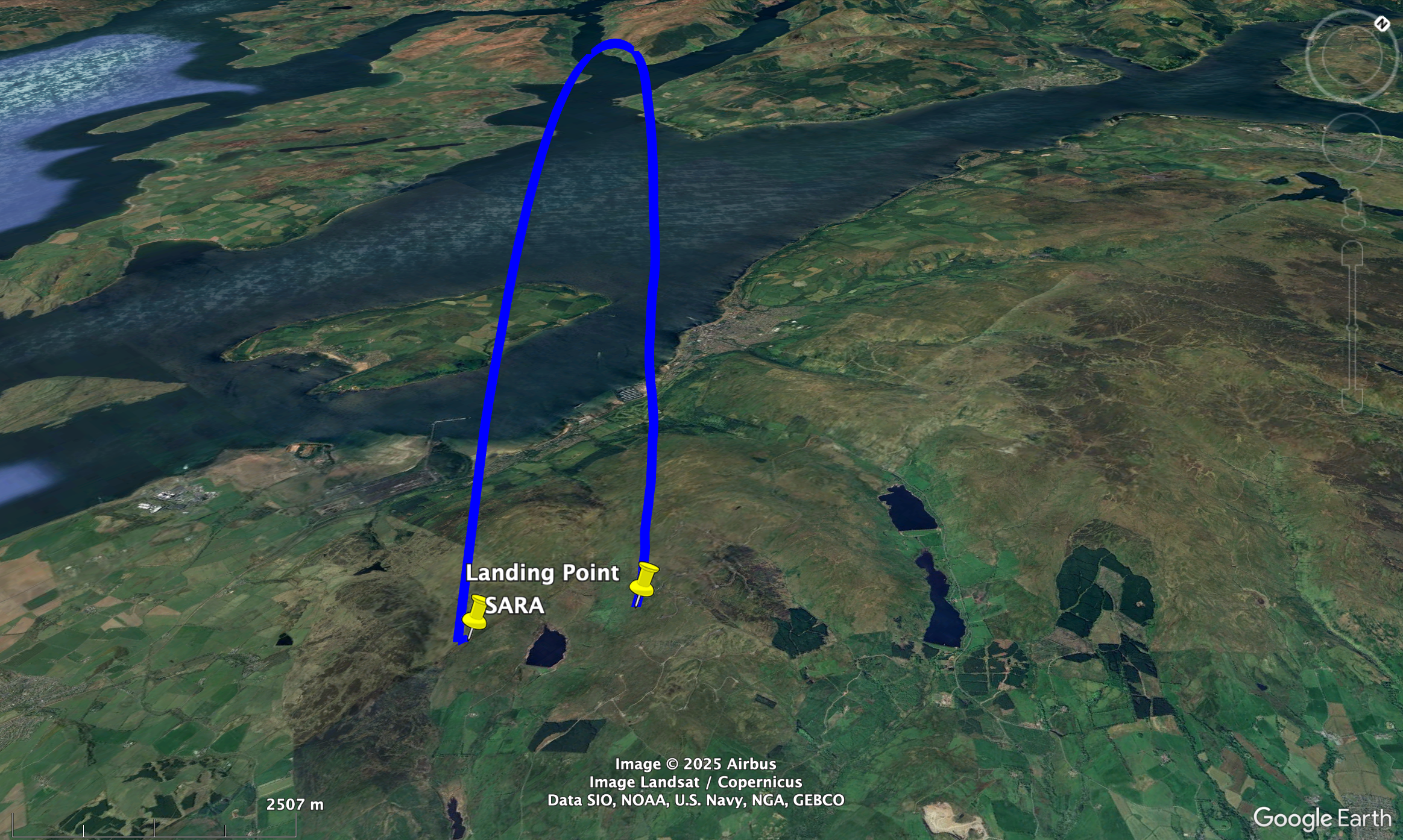
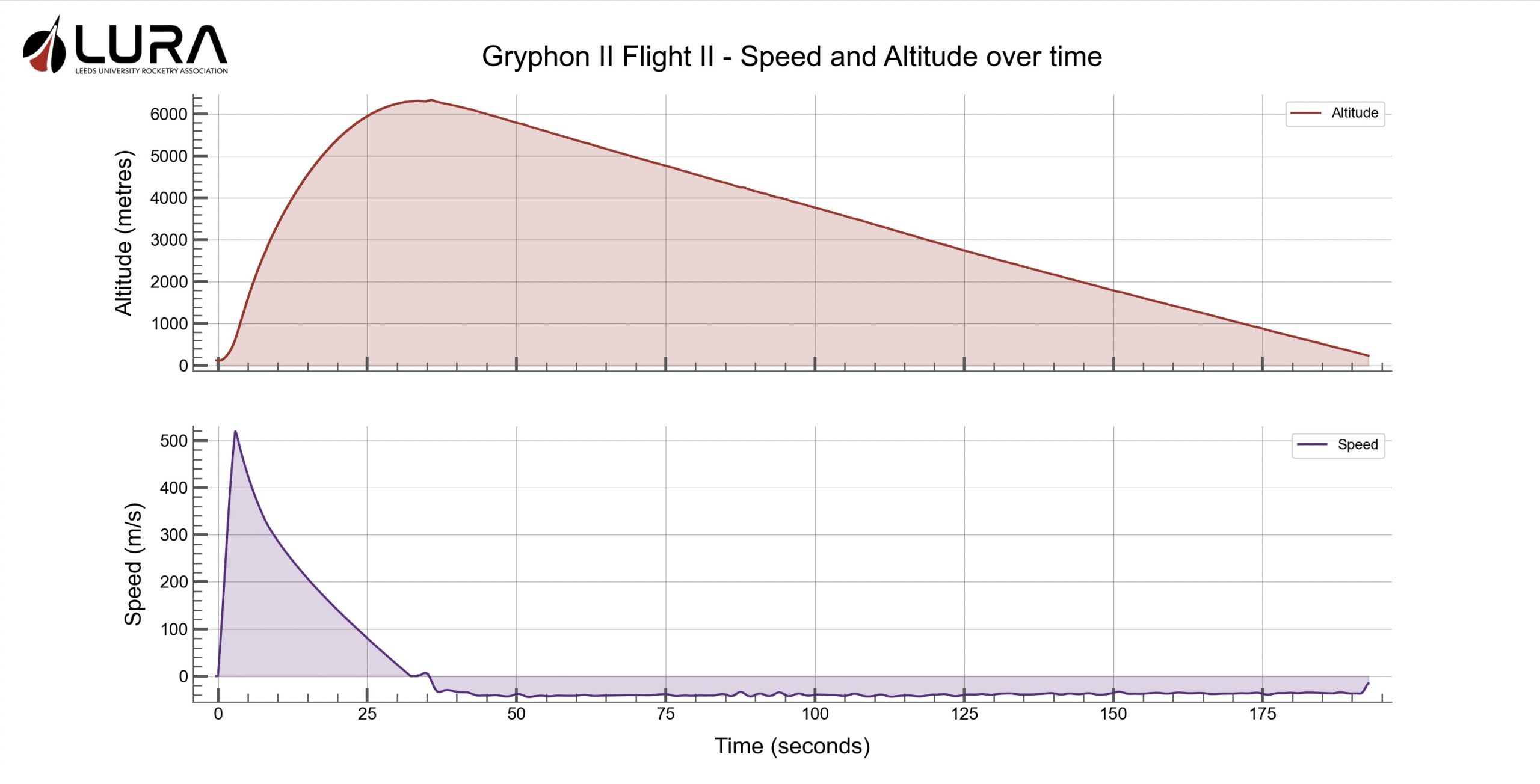
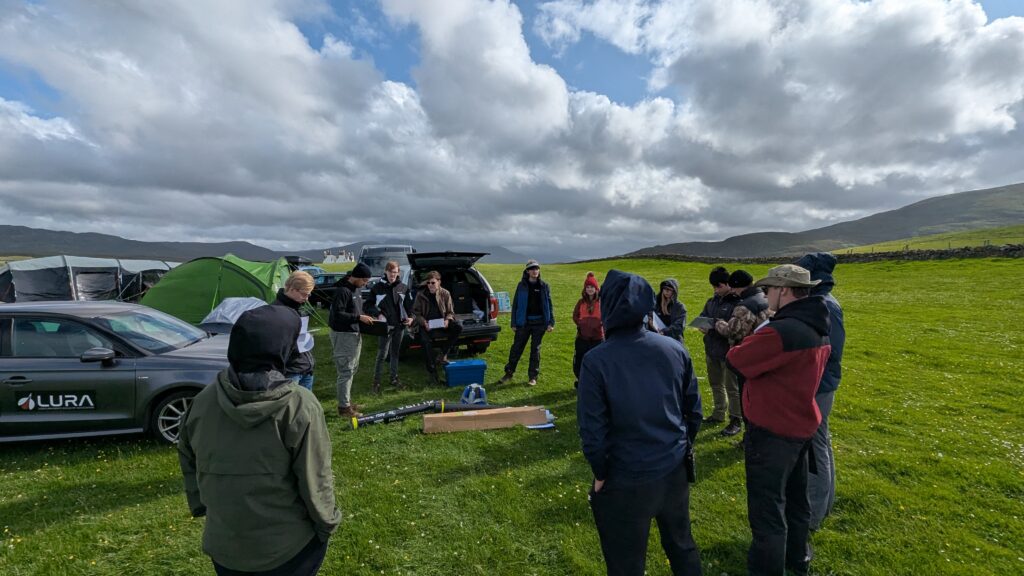
1 failed attempt and 3 weather cancellations later, we were eager to get Gryphon II in the clouds again. On the 5th of April 2025, we successfully launched G2 at the SARA Fairlie Moor Rocket Site (FMRS) in Scotland on a Cesaroni M3400 motor. 

It reached an astonishing altitude of 20,000 feet and a maximum speed of Mach 1.5 (~1,100 miles per hour). This launch was a first for many of us on the team, needless to say it was a great experience. 

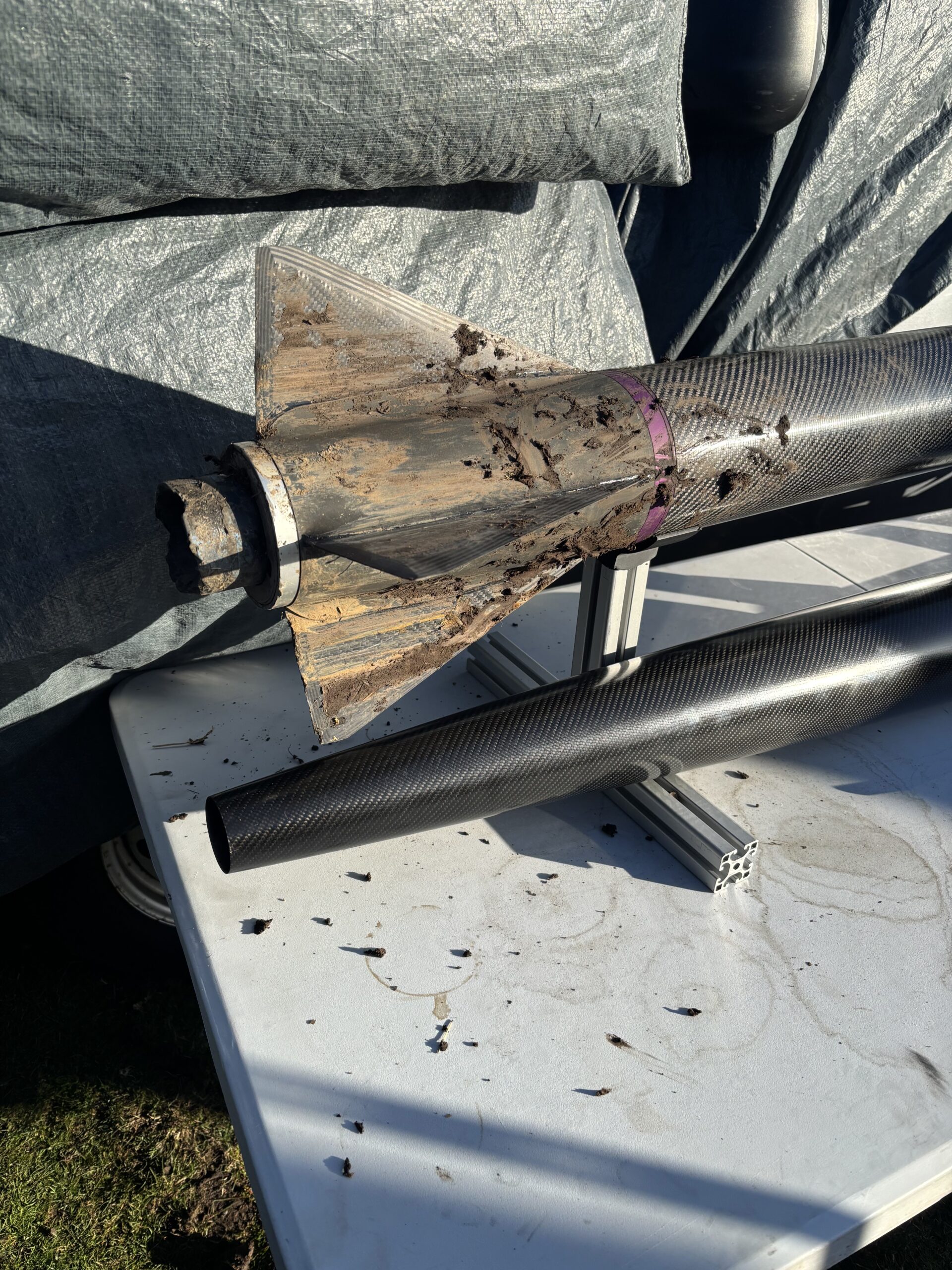
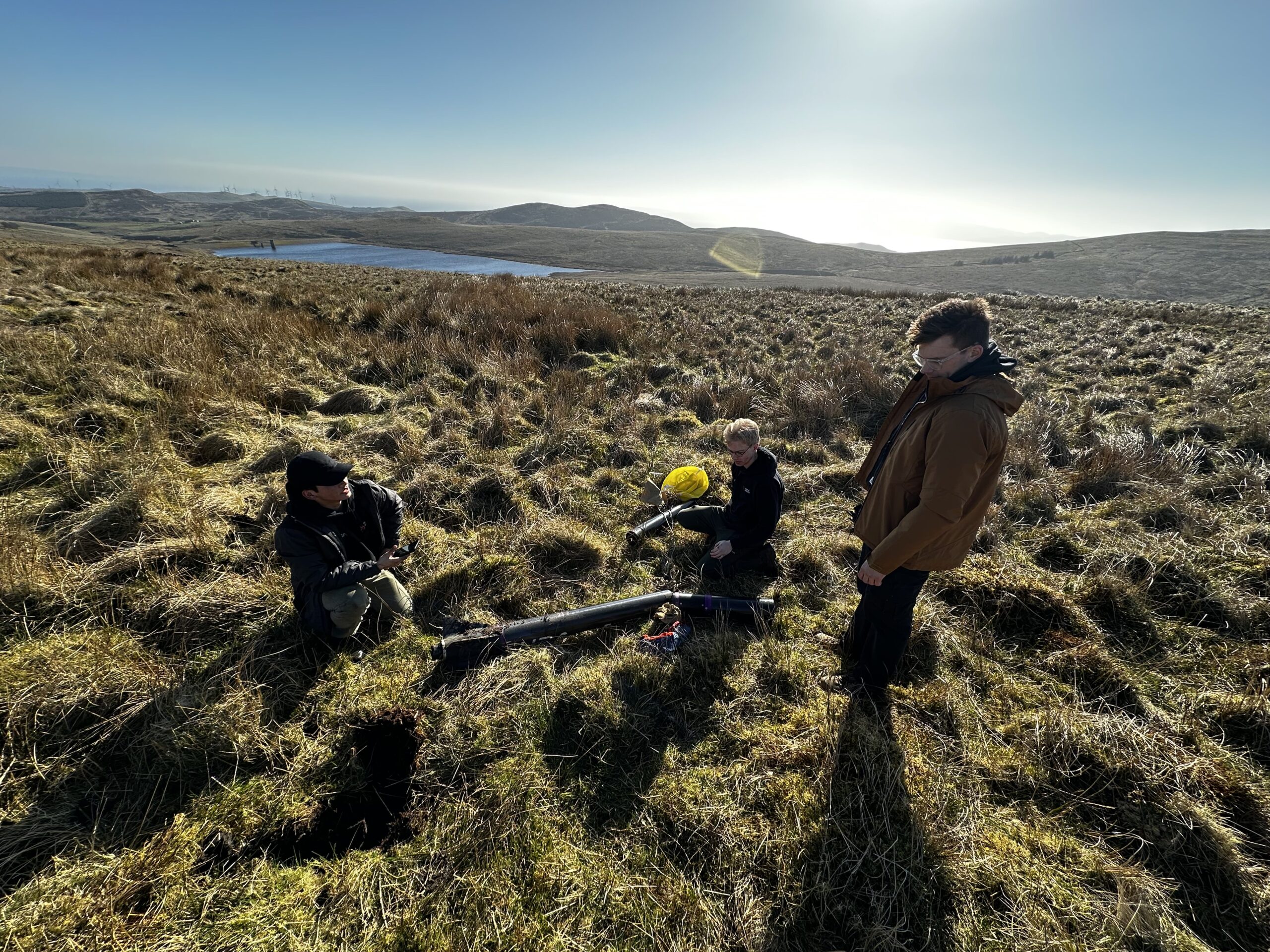
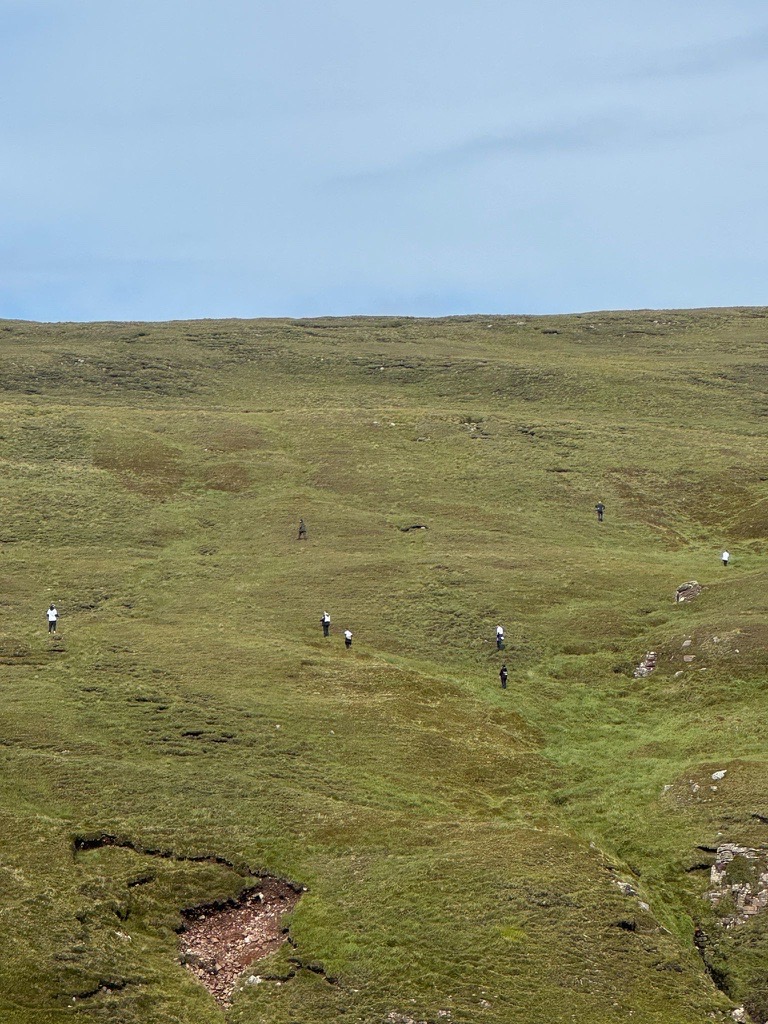
The main parachute failed to deploy and caused damage to the aft tube and fincan. Our recovery team walked over 8 kilometres over the hills of Fairlie Moor and found G2 in less than 40 minutes.

Check out the highlights below!

RECORD-BREAKING Attempt

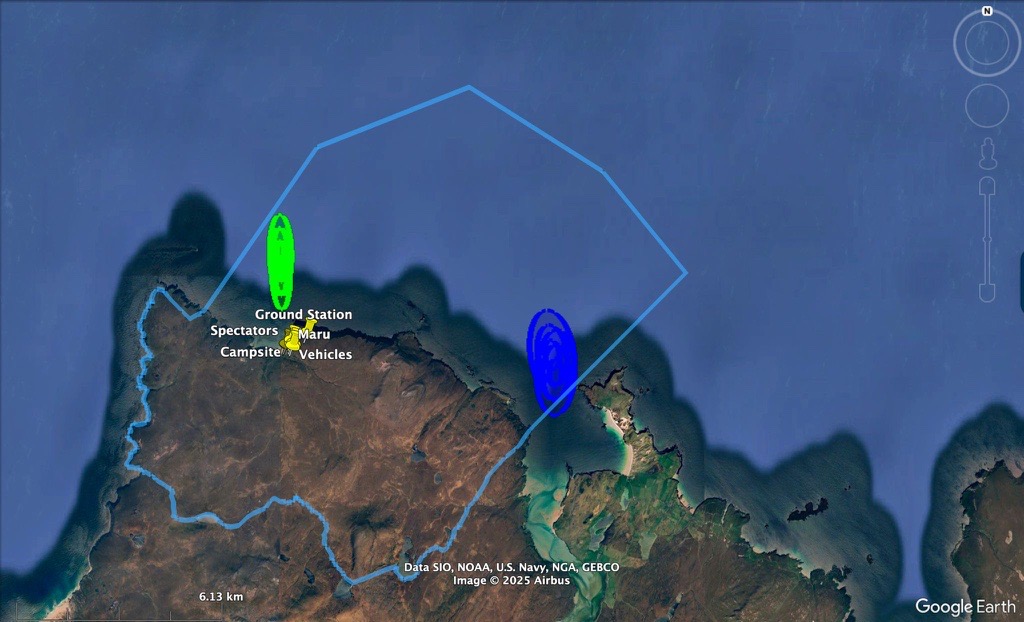
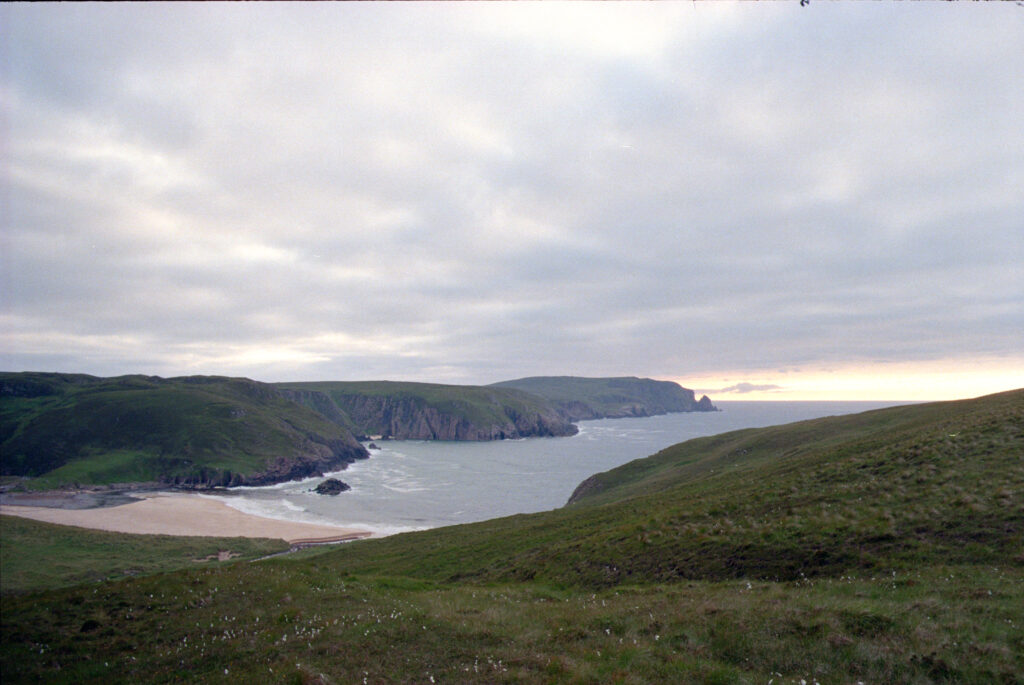
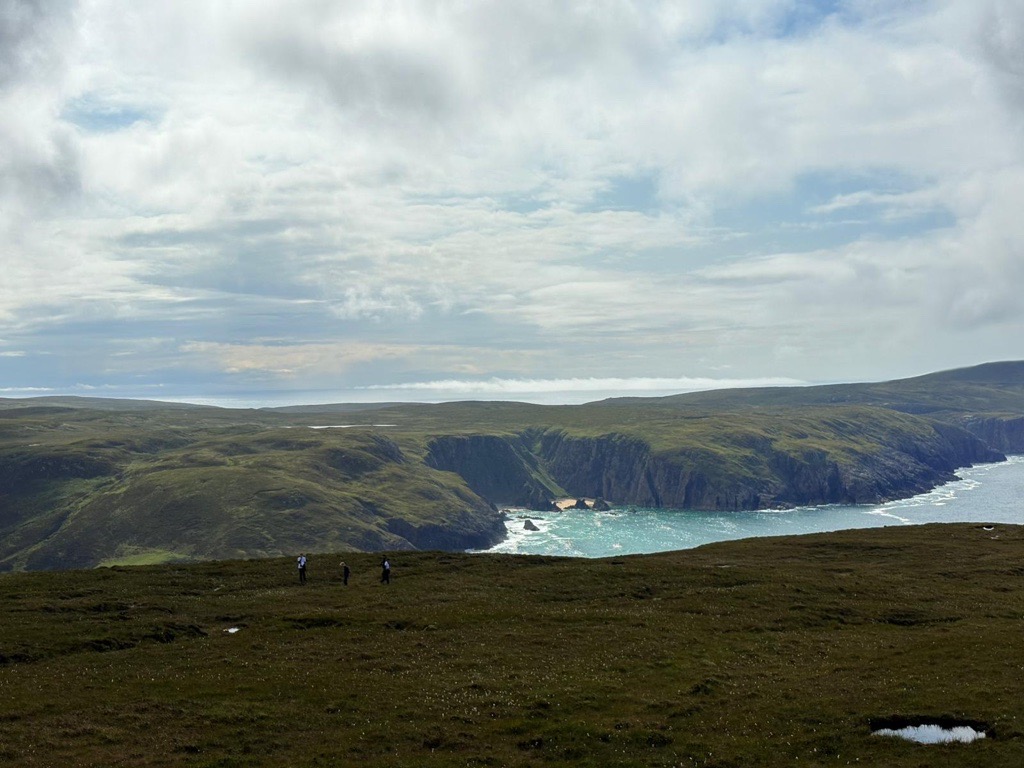
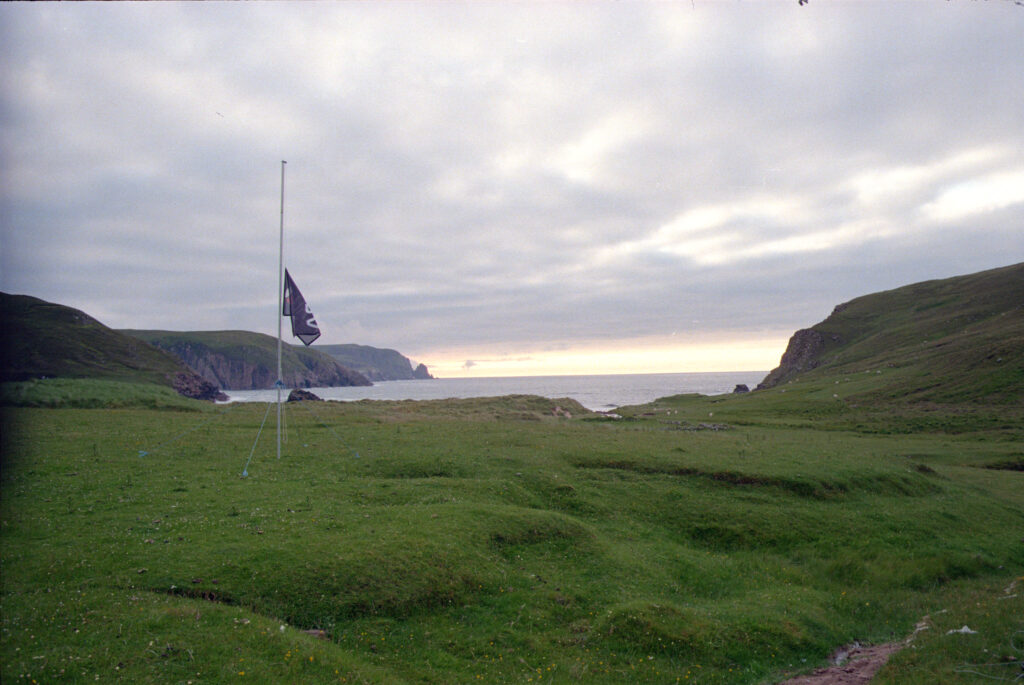
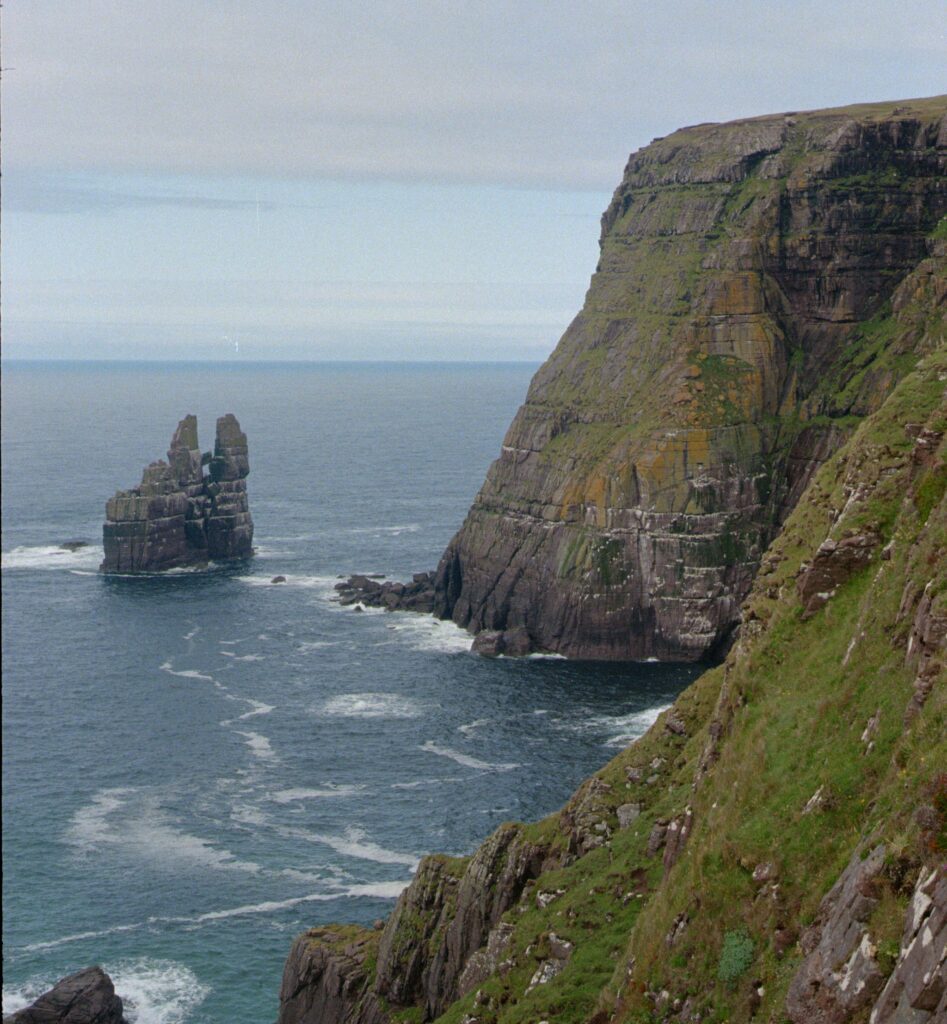
In July 2025, Gryphon II completed its long anticipated record-attempt launch from Cape Wrath, marking the most ambitious mission in LURA’s history. The rocket accelerated to a peak speed of Mach 2.6 (≈2000 mph) in just 3.6 seconds, reaching 1.7 km before a structural failure ended the flight.

This launch was a major milestone for LURA, not only for its performance, but for being the first student rocketry team to launch from a UK Ministry of Defence site. Achieving this required months of preparation, extensive documentation, and a fully approved safety case, highlighting the scale of the project. 

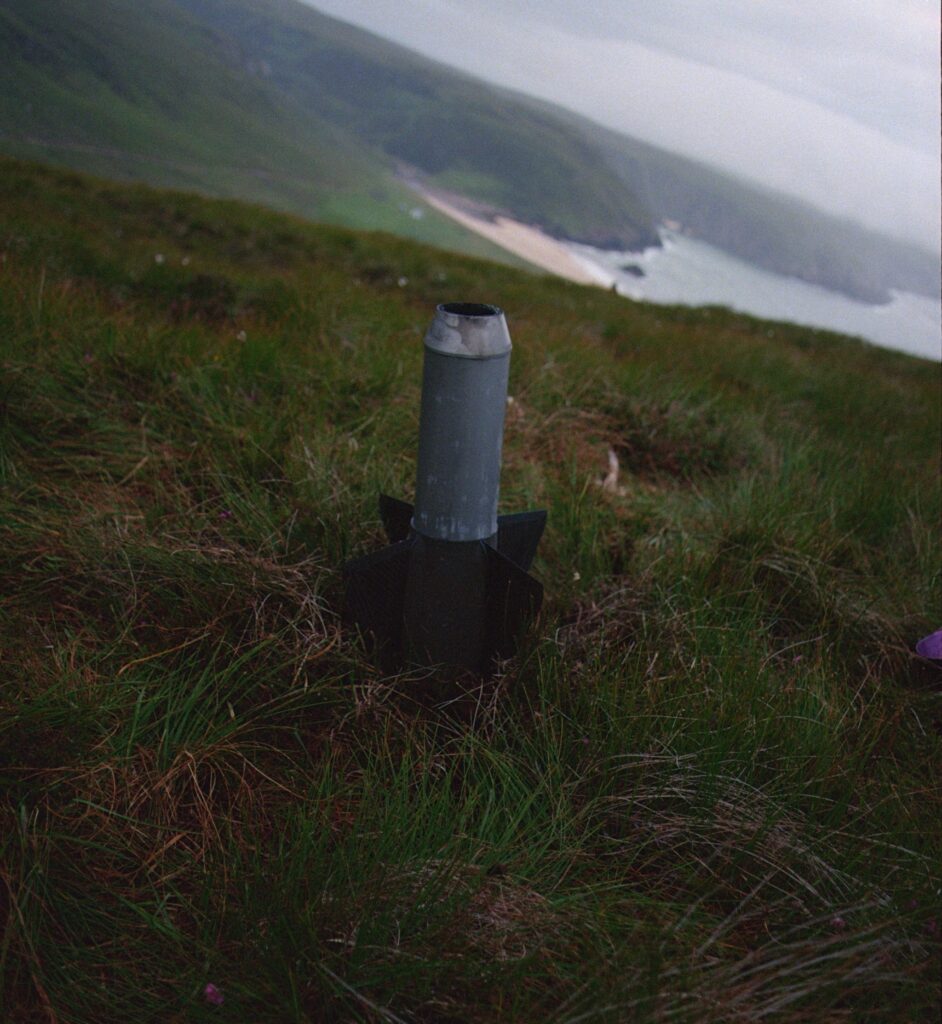
The burn was stable, validating months of work across simulation, manufacturing, avionics, and systems integration. Shortly after burnout, a failure originating near the nose cone led to separation of the fore of the rocket and a breakup. Recovery teams successfully retrieved key components, allowing the team to analyse the wreckage and identify lessons for future designs. 

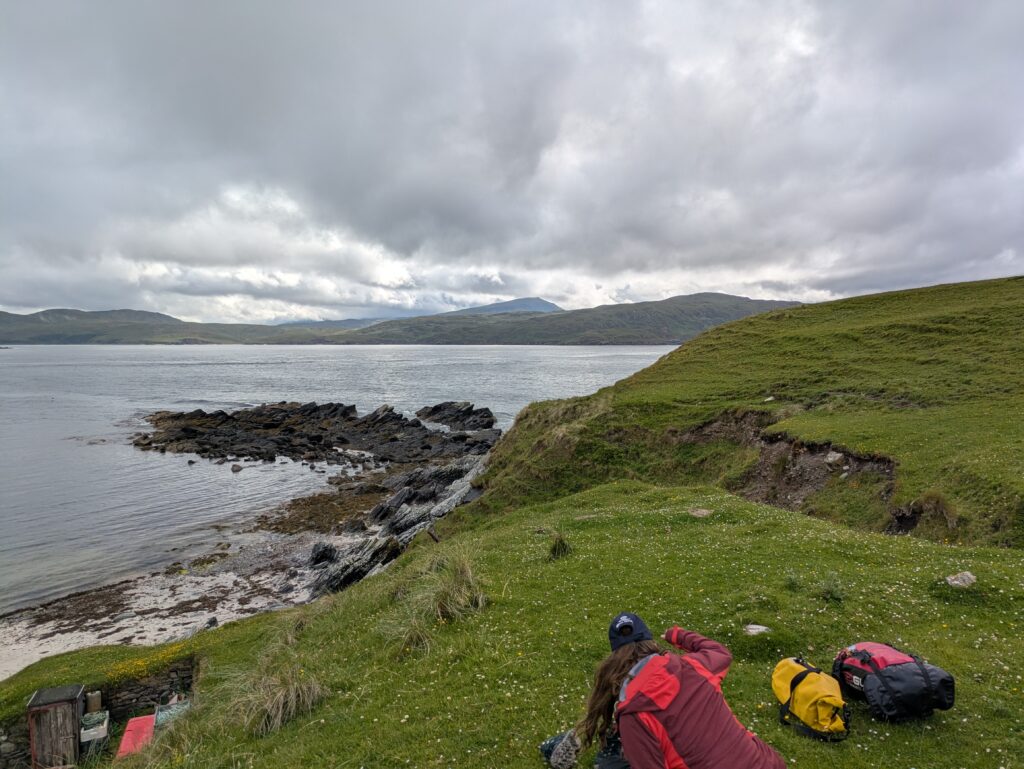
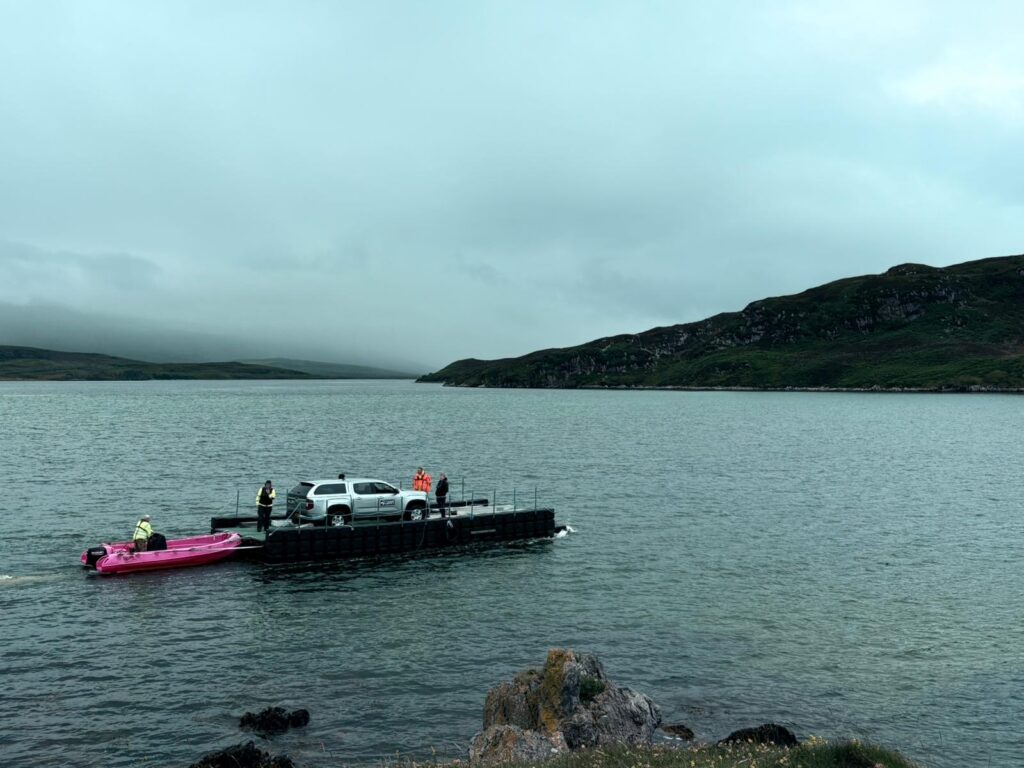
Beyond the flight itself, the Cape Wrath mission reflected the reality of record-breaking rocketry: 3 days and 2 nights of continuous work, in a remote location, transporting equipment by ferry across a river and operating far from conventional infrastructure. 

Although Gryphon II did not secure the UKRA Altitude Record, the mission stands as a testament to what a student-led team can achieve, and a foundation for an even stronger return to the sky.

A huge thanks to the team at Cape Wrath for being so accommodating to us, to UKRA for their guidance and mentorship, and to the space regulation team at the CAA for their support.

See our highlights from Cape Wrath below!

Student-led engineering initiatives like LURA have proven to be valuable, but often face funding challenges. 

Help support LURA’s long-term projects by donating to our Crowdfunder. We are also doing a 10k Fundraiser Run on the 14th of May 2025 to raise money for this launch which you can contribute to on our GoFundMe

Your donations will directly fund the critical components for G2 including the avionics, recovery system, aerostructures, flight dynamics, as well as the complicated logistics involved with launching G2 to a high-altitude from British soil.