
Precision engineered. The next evolution of liquid propulsion.
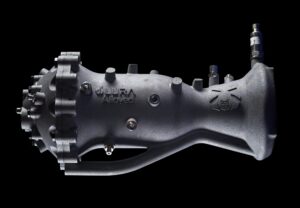
Hardware photography by Ben Adams
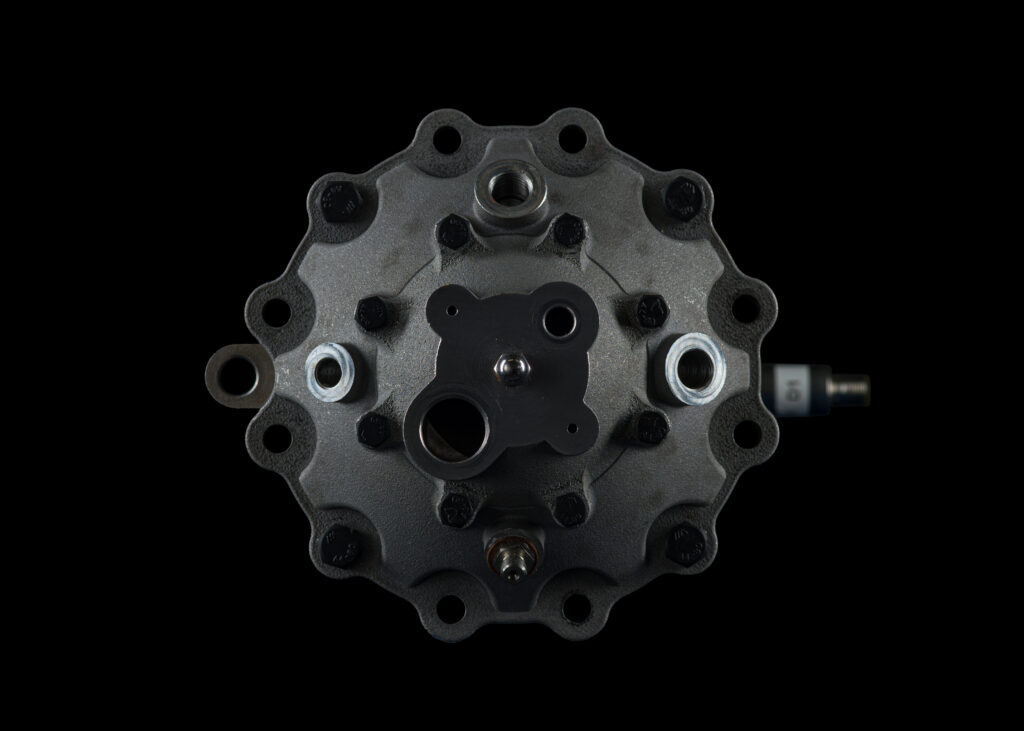
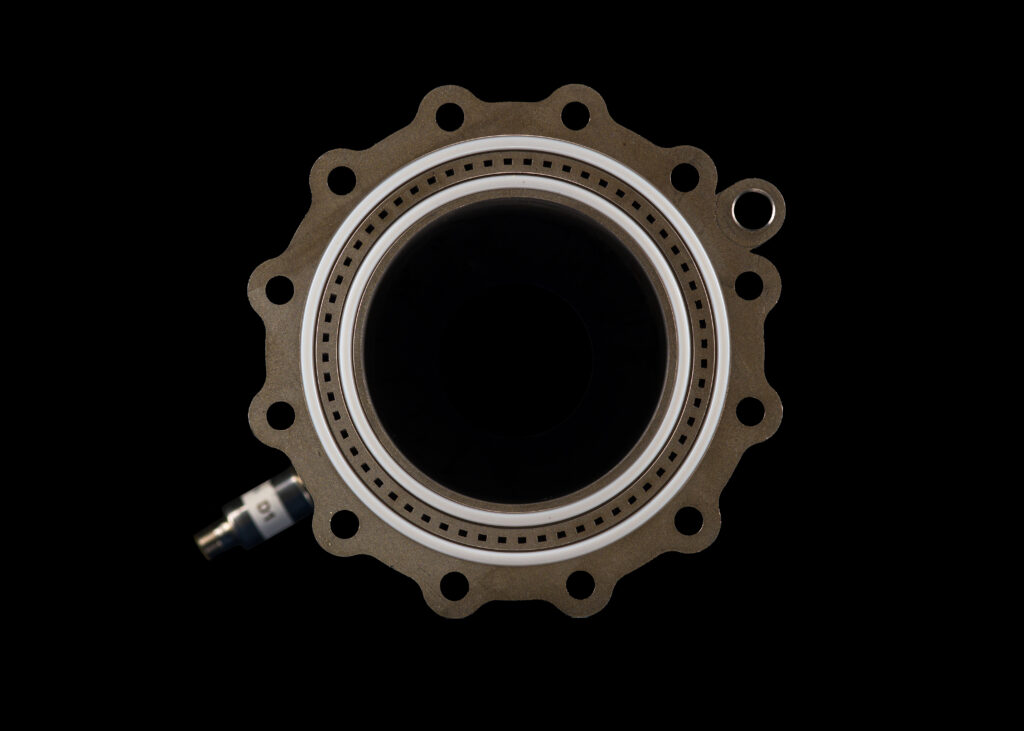
Caesar is the second liquid rocket engine developed by LURA. Building on the legacy of our first engine, Louie, Caesar was designed to push the boundaries of our student-led propulsion development: Project Silverback.
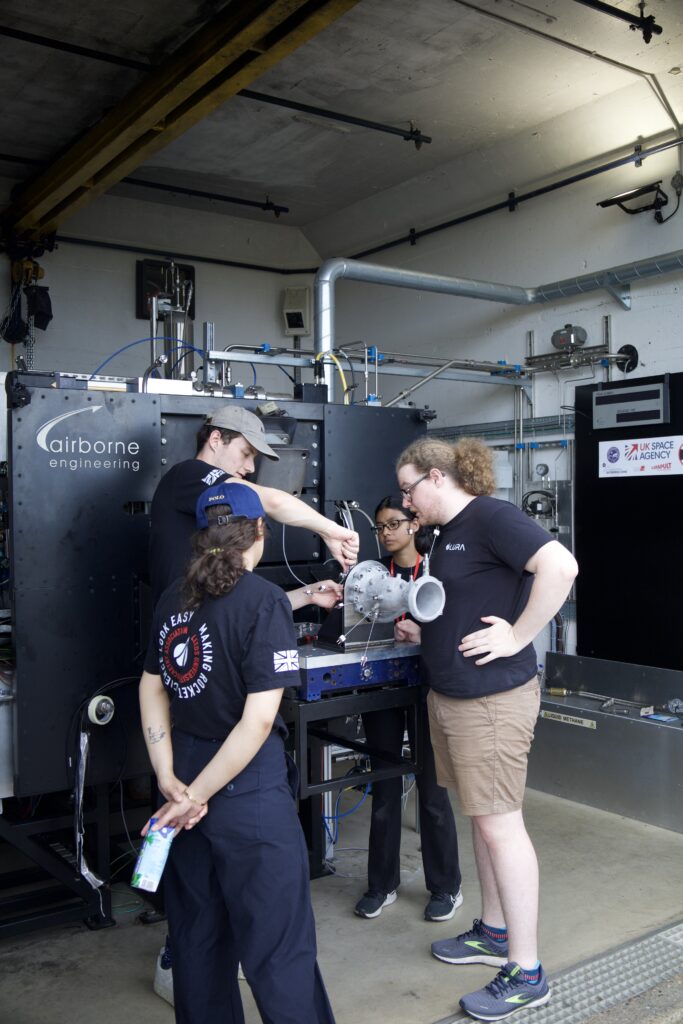
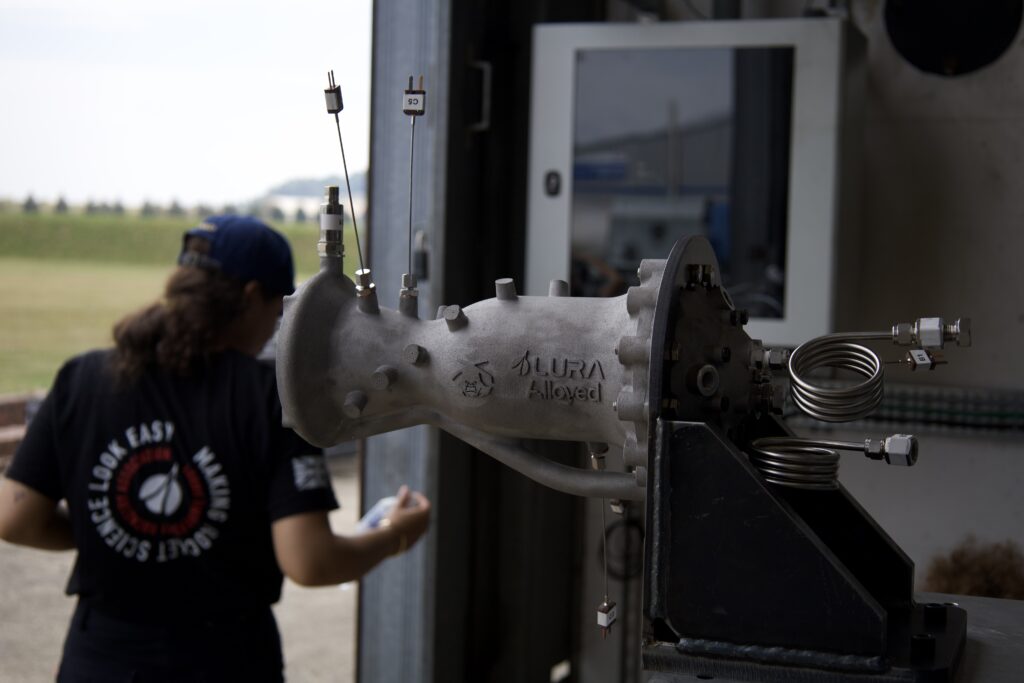
THE MISSION
The primary goal of Caesar is to advance LURA’s understanding of liquid propulsion systems by developing a larger, more complex engine with regenerative cooling that moves us closer to a flight-weight design. Caesar serves as a stepping stone toward the Silverback program’s ultimate objective: a regeneratively-cooled engine capable of powering a future space-shot vehicle.
Design & Innovation
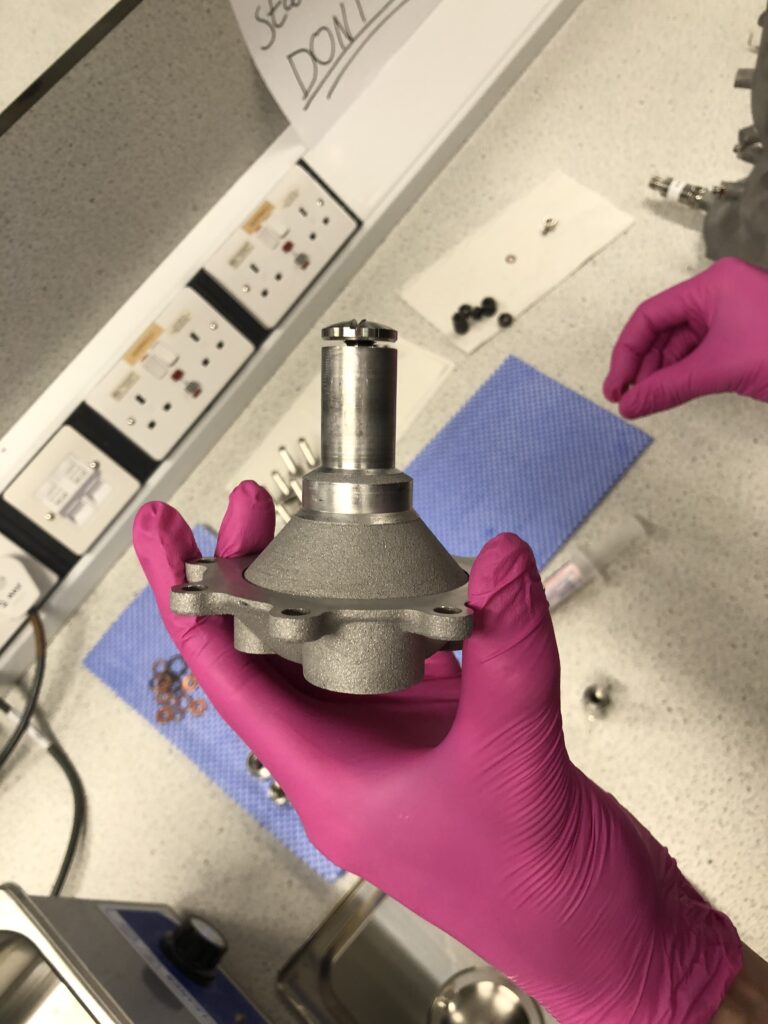
- Additive Manufacturing: The engine is 3D printed in AlSi10Mg by our sponsor, Alloyed. This allows for complex internal geometries that would be impossible with traditional manufacturing.
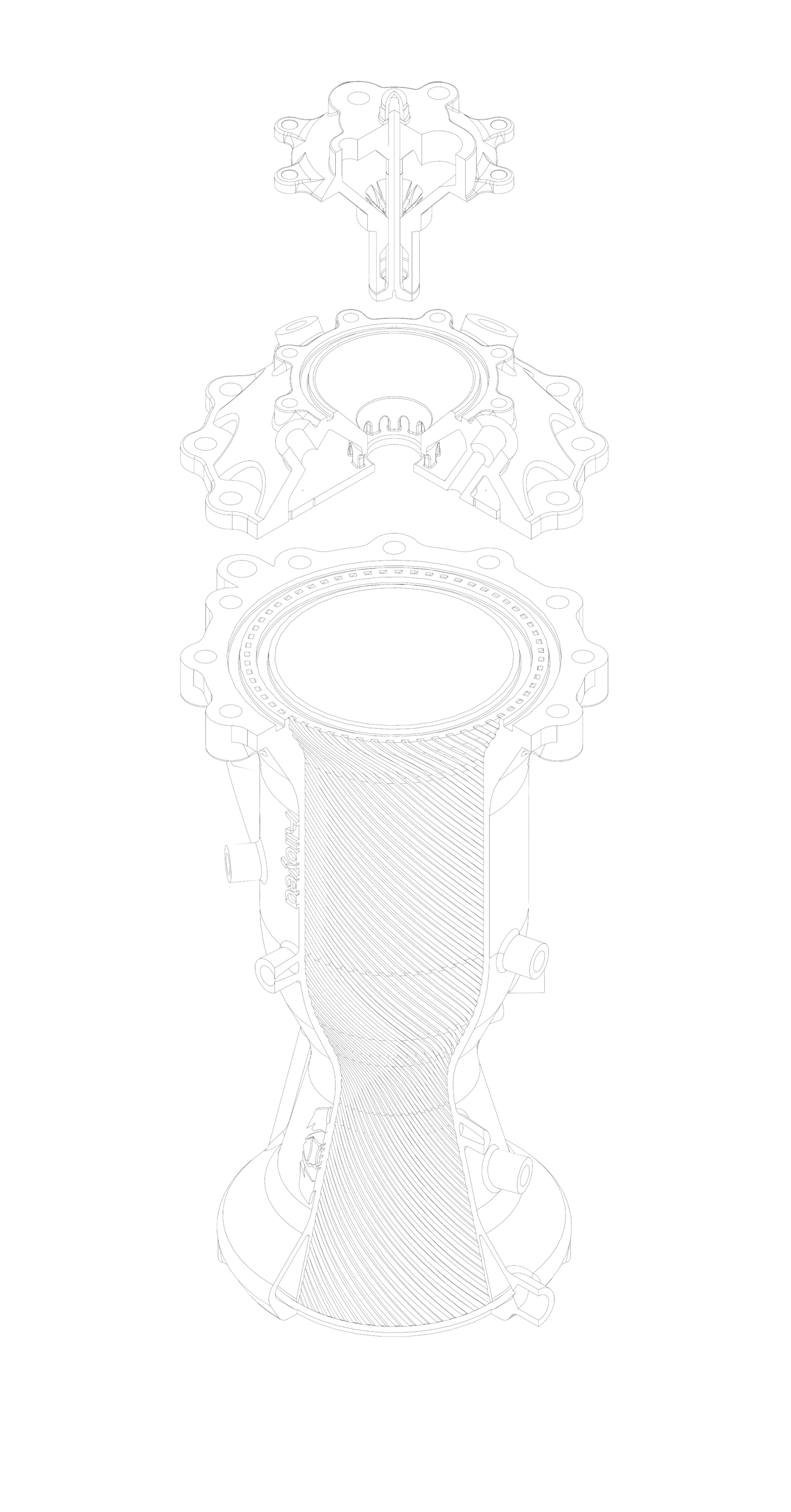
- Regenerative Cooling: To manage extreme temperatures, 100% of the IPA fuel flows through 60 integrated helical cooling channels (increased from 40 in previous designs) within the chamber walls before injection. The fuel travels in the opposite direction to the direction of the flame to increase temperature transfer.
- Pintle Injector: Caesar utilises a continuous slit pintle injector, which simplifies manufacturing and theoretically could allow for variations on O/F ratio.
- Improved Sealing: Learning from Louie’s challenges, Caesar is designed with minimal sealing and absolutely no interpropellant seals, significantly reducing the risk of internal leaks.
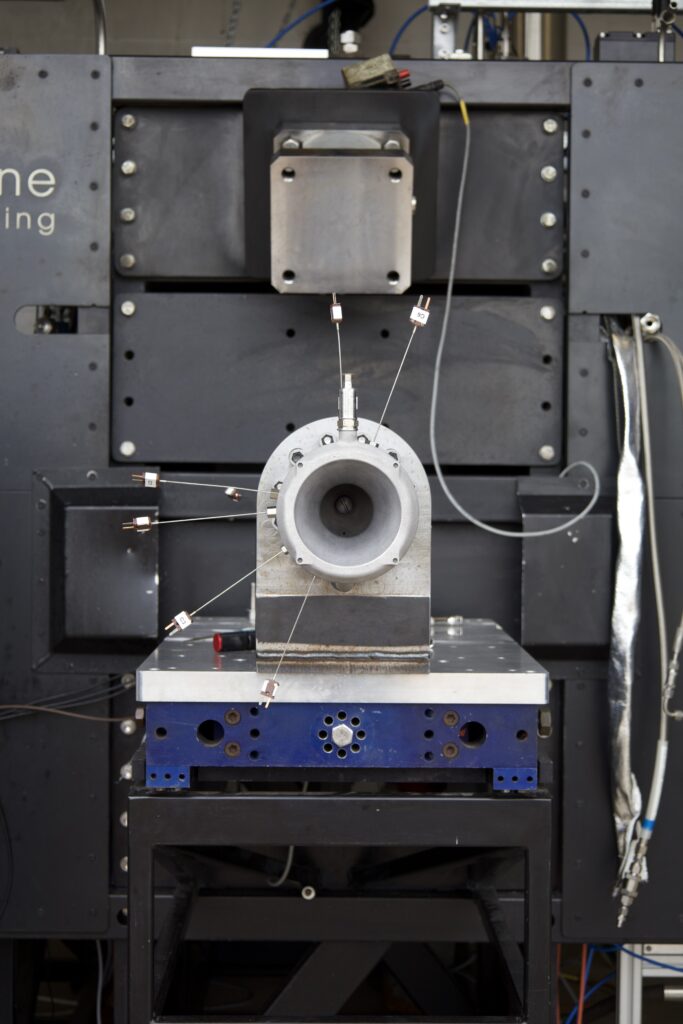
TECHNICAL SPECIFICATIONS
- Engine Type: Liquid Bipropellant
- Propellants: Liquid Oxygen (LOX) and Isopropyl Alcohol (IPA)
- Target Thrust: 6 kN
- Chamber Pressure: 20 bar
- O/F Ratio: 1.5
- Cooling: Regenerative (IPA), 10% Film Cooling, and PDMS thermal barrier additive (2% by mass)
- Material: AlSi10Mg
Project Timeline
Preliminary Design Review Due
Test Run Manufacturing
Critical Design Review
Final Print Run
Pre-Race2Space Tests & Assembly and Final Cold Flow Tests
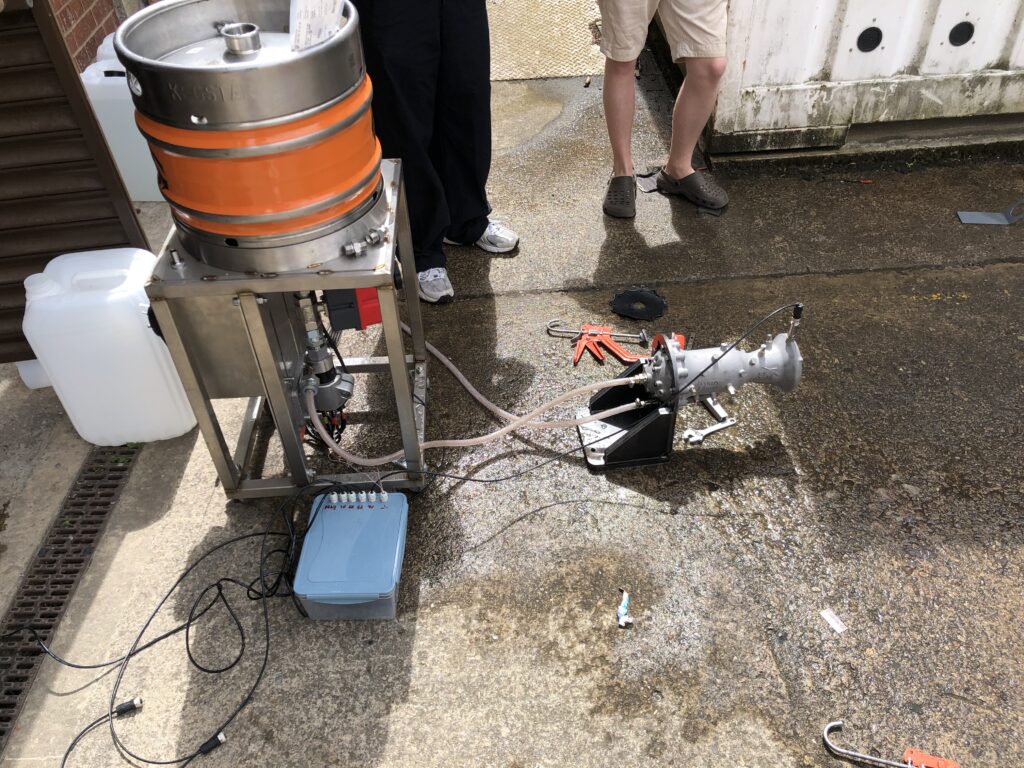
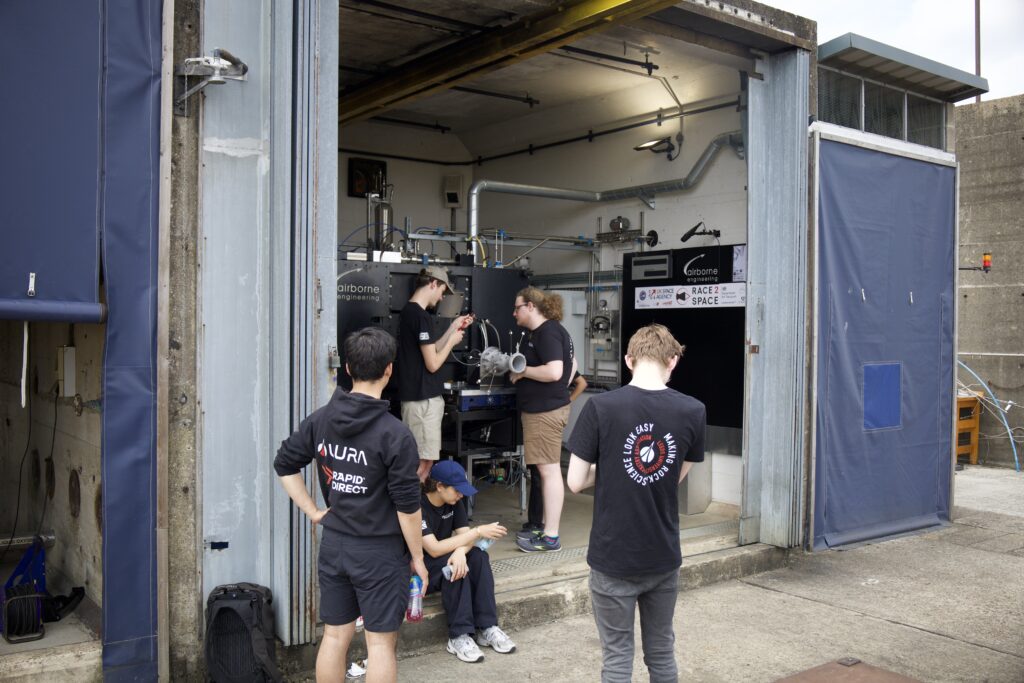
Final Test Results
Our final testing phase pushed Caesar beyond its design parameters, demonstrating the robustness of our additive manufacturing approach and the efficiency of the regenerative cooling system:
Peak Thrust: 7.3 kN
Specific Impulse (Isp): 173s
C Efficiency:* 70%
Chamber Pressure: 23 bar
Watch Caesar in action at Race 2 Space below!
The Silverback Programme plays a crucial role in LURA’s vision.
The move away from commercial solid motors and towards self-developed propulsion systems is vital if we are ever to make it to space.